Combo Comparisons Guide (Fast Food Pricing & Portion Analysis)
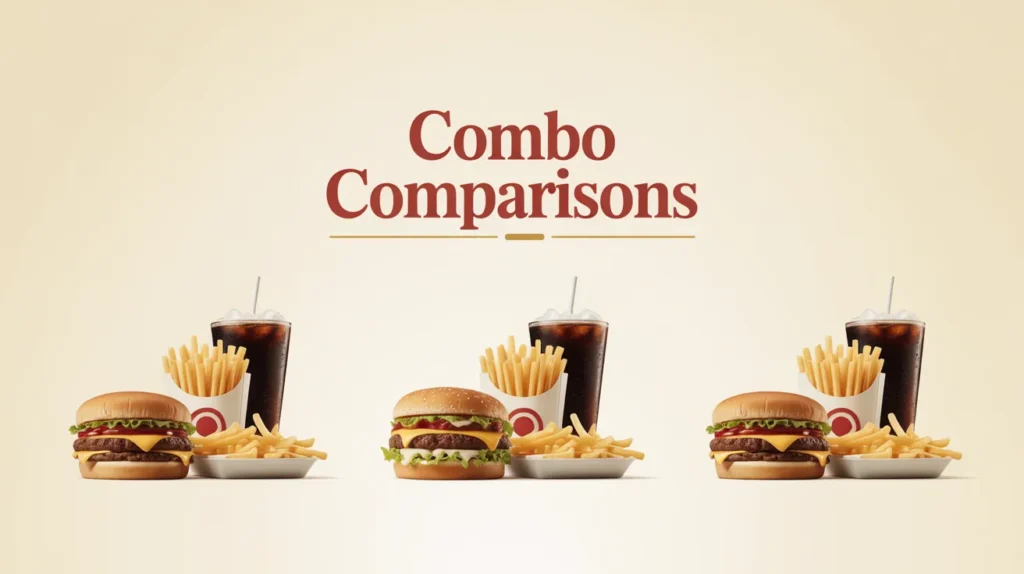
Combo comparisons are necessary because similar menu prices do not always reflect similar portion sizes or overall value.
Two combos may both cost $9–$11 in the typical U.S. pricing range.
One may include more protein.
Another may include larger fries but smaller sandwich portions.
Consumers often compare price tags instead of evaluating:
- Portion size comparison
- Drink inclusion impact
- Bundle vs combo difference
- Cost per person math
This guide provides a structured fast food combo comparison framework. It focuses on pricing structure, portion control logic, and when combos are — and are not — the most efficient ordering format.
No promotional claims.
No fabricated savings.
Decision-focused analysis only.
What Is a Combo Meal?
A combo meal is a standardized package that includes:
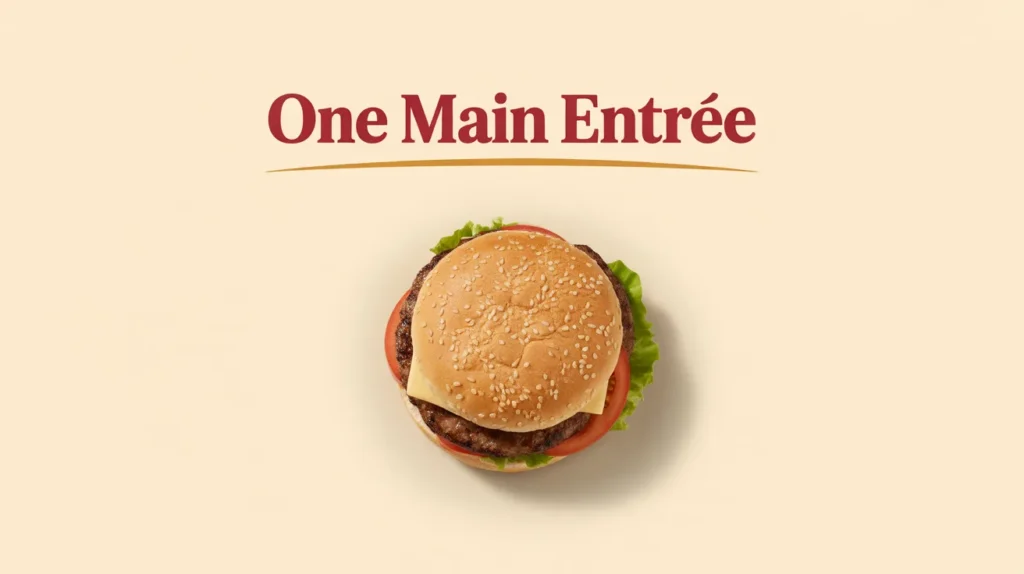
One main entrée (burger, sandwich, chicken, tacos)

One side (usually fries)

One drink (typically medium size)
The combo structure simplifies ordering and locks pricing into a bundled rate.
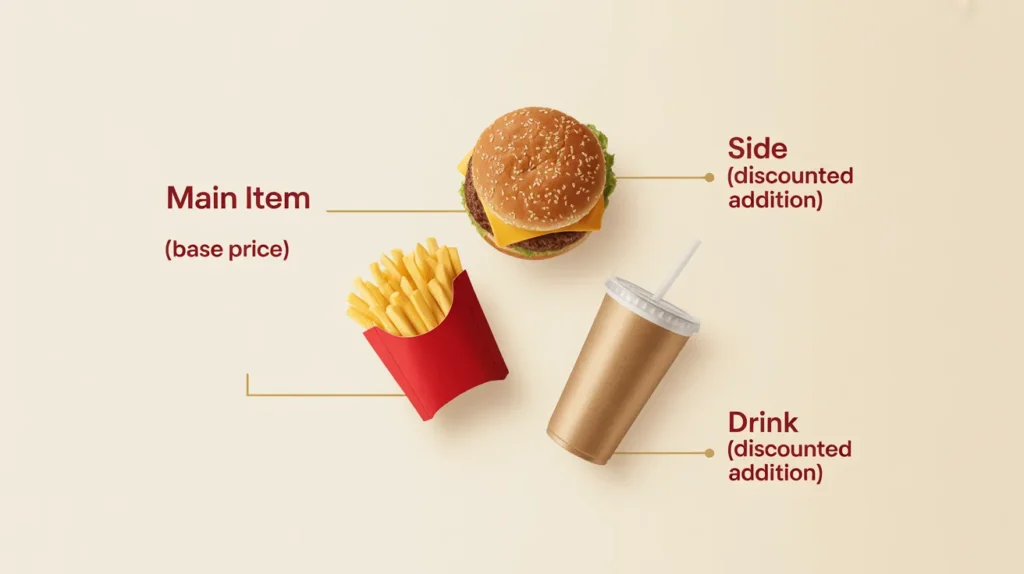
Structural Logic
Combo pricing typically reflects:
- Main item base price
- Discounted side addition
- Discounted drink addition
The goal is portion control and operational efficiency.
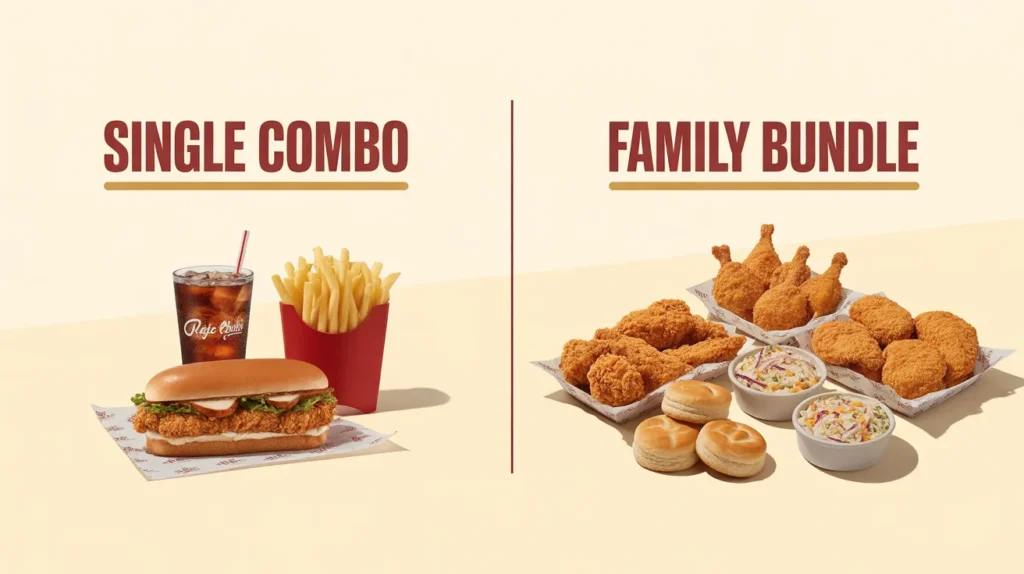
Difference From Bundle Format
A combo is designed for one person.
A bundle:
- Is designed for 3–6 people
- Shares sides
- May exclude drinks
- Focuses on bulk protein
Understanding this structural distinction is critical before making any combo meal pricing comparison.
Combo vs Value Meal
Many consumers use these terms interchangeably. They are not always the same.
A value meal may include a combo format but is positioned at a lower price tier.
Comparison Table
| Feature | Combo Meal | Value Meal | Notes |
|---|---|---|---|
| Includes Drink | Yes | Usually | Some value meals exclude drinks |
| Includes Side | Yes | Often smaller | Portion size differences common |
| Typical U.S. Pricing Range | $7–$13 | $5–$9 | Varies by brand |
| Customization | Standard | Limited | Fewer premium options |
| Portion Size | Medium standard | Often smaller | Check fry/drink size |
| Combo Meal Value | Moderate | Budget-tier | Depends on protein size |
Value meals focus on entry pricing.
Standard combos focus on balanced portioning.
For broader breakdowns, see detailed analysis of Value Meals.
Combo vs Family Bundle
The bundle vs combo difference becomes significant when feeding multiple people.
Comparison Table
| Feature | Combo | Family Bundle | Best For | Notes |
|---|---|---|---|---|
| Designed For | 1 person | 3–6 people | Household meals | Structural difference |
| Drink Inclusion | Yes | Sometimes | Depends on brand | Major pricing factor |
| Portion Distribution | Individual | Shared | Group settings | Side sharing reduces duplication |
| Typical U.S. Pricing Range | $7–$13 | $18–$45 | Budget scaling | Varies by protein |
| Cost Per Person | $7–$13 | $6–$8 typical | Larger groups | Efficiency increases with size |
A family bundle often lowers cost per person.
However, bundles reduce customization flexibility.
For a deeper structural analysis, review Family Bundles.
Bucket vs Combo Meal (Chicken Chains)
Chicken-focused chains operate differently from burger chains.
Buckets prioritize bulk protein.
Combos prioritize individual portions.
Comparison Table
| Item Type | Typical U.S. Price Range | Serves | Cost Per Person | Notes |
|---|---|---|---|---|
| 2–3 Piece Combo | $8–$12 | 1 | $8–$12 | Includes side + drink |
| 3–5 Tender Combo | $9–$14 | 1 | $9–$14 | Higher protein cost |
| 8–12 Piece Bucket | $18–$30 | 3–4 | $6–$8 | Usually sides separate |
| 16–20 Piece Bucket | $30–$45 | 5–6 | $6–$8 | Bulk protein advantage |
At chains like KFC and Popeyes, buckets typically provide better cost per person than ordering multiple individual combos.
However:
- Buckets often exclude drinks
- Side portions must be purchased separately
- Customization is limited
Small Combo vs Large Combo
Upsizing is a common source of pricing confusion.
Typical Structure
Medium combo → base price
Large combo → +$1 to +$3
Upsizing Comparison Table
| Combo Size | Typical Price Increase | Portion Increase | Value Impact | Notes |
|---|---|---|---|---|
| Medium | Base | Standard | Balanced | Most common |
| Large | +$1–$3 | Larger fries + drink | Moderate | Protein unchanged |
| Extra Large (select chains) | +$2–$4 | Significant drink increase | Lower efficiency | Fry/drink inflation |
Key observation:
Protein portion rarely changes.
The price increase mostly reflects:
- Larger drink volume
- Larger fries
Drink inflation often drives perceived value rather than actual entrée increase.
Combo vs Ordering Items Individually
Consumers often ask whether combos are cheaper than ordering items separately.
The difference usually exists — but is modest.
Comparison Table
| Combo Price | Individual Item Total | Estimated Difference | Convenience Factor |
|---|---|---|---|
| $9 | $10–$11 | $1–$2 | Faster ordering |
| $11 | $12–$13 | $1–$2 | Simplified pricing |
| $13 | $14–$15 | $1–$2 | Operational efficiency |
Savings are typically incremental, not dramatic.
The primary advantage is convenience.
Combo cost breakdown shows that drink and side are usually slightly discounted when bundled.
Cost Per Person Combo Comparisons
Cost per person analysis improves fast food pricing comparison clarity.
For detailed modeling, see Cost Per Person Fast Food.
Example Calculations
Scenario A:
Four $10 combos = $40
Per Person = $10
Scenario B:
$28 family bundle serving 4
Per Person = $7
Difference = $3 per person
Per-person math often favors bundles for groups.
However, for solo diners, combo meals remain structurally appropriate.
Calories & Portion Differences
Pricing alone does not reflect total intake.
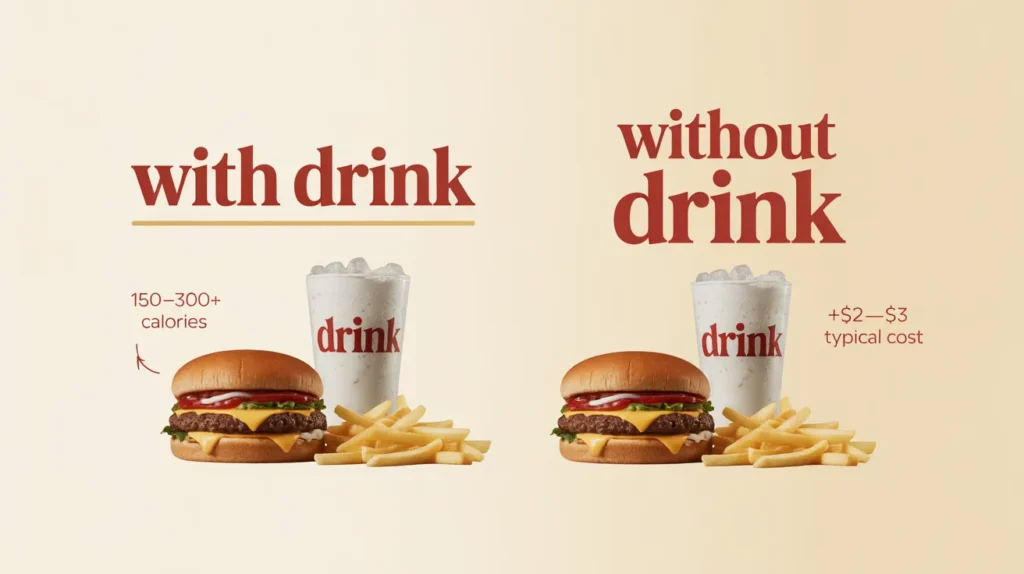
Drink Impact
Medium fountain drink can add:
- 150–300+ calories
- $2–$3 cost
Skipping drink changes both calorie load and combo meal value.
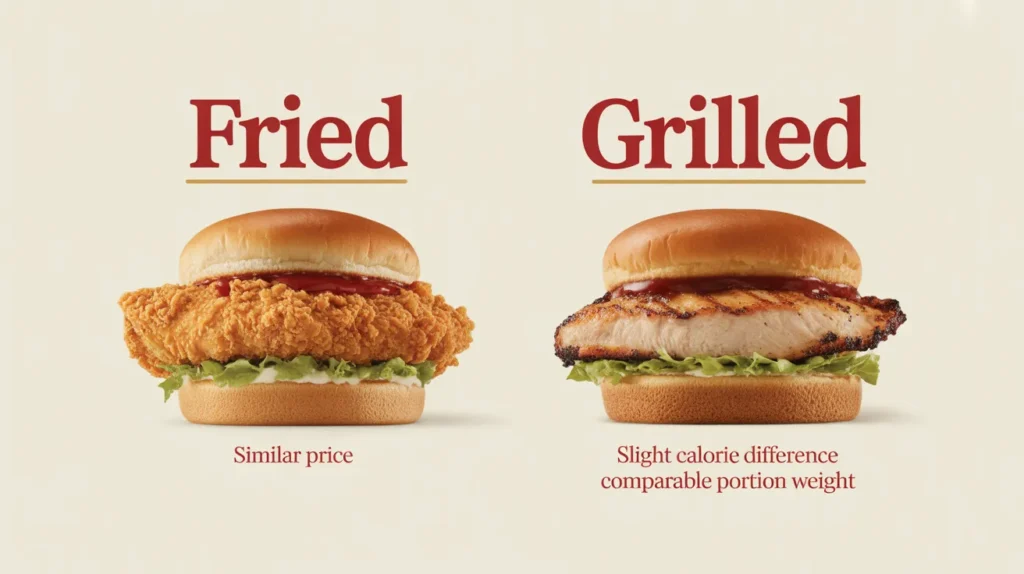
Fried vs Grilled
Grilled options often:
- Similar price
- Slightly lower calorie density
- Similar portion weight
Protein type influences perceived value.
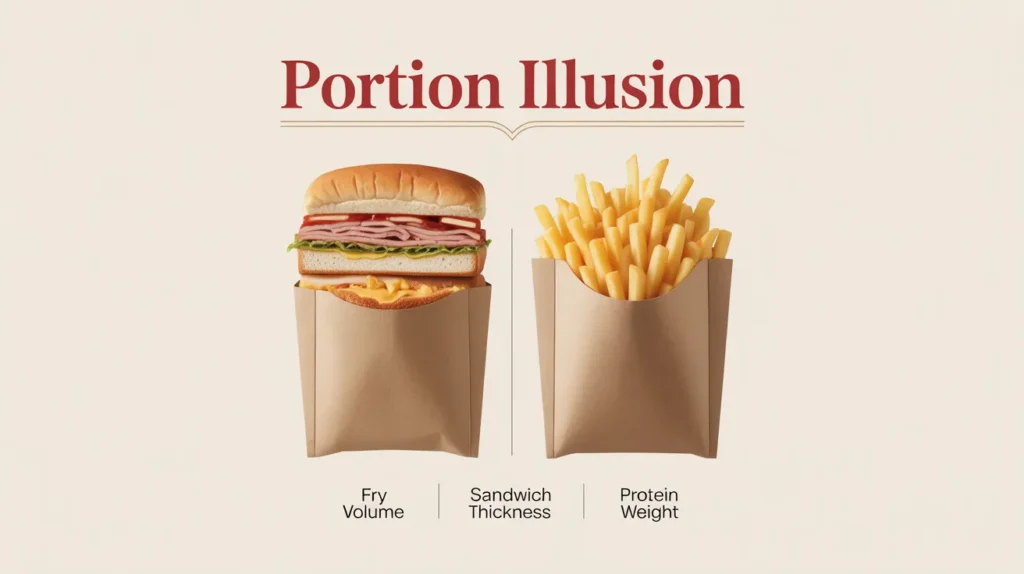
Portion Illusion
Two $9 combos may differ in:
- Fry volume
- Sandwich thickness
- Bun density
Portion size comparison must evaluate weight and protein count, not just packaging size.
When a Combo Is NOT the Best Deal
Combo comparisons reveal scenarios where combos are suboptimal.
1. Group Sharing
Family bundle often reduces cost per person.
2. App-Exclusive Pricing
Occasionally, $6–$7 app promotions outperform standard combos.
See structured review of $5–$10 Deals.
3. Limited Time Offers
Promotional structures may temporarily lower pricing tiers.
See evaluation framework under Limited Time Offers.
4. Skipping Sides
If you do not want fries:
Ordering sandwich only may reduce total cost.
Combo structure forces inclusion.
5. Calorie Control
If reducing portion intake:
Combo pricing may exceed actual need.
FAQs
What is the difference between combo and value meal?
A combo meal includes a standardized entrée, side, and drink. A value meal is typically a lower-priced version with smaller portions or limited customization.
Are combos cheaper than ordering separately?
Usually slightly cheaper in the typical U.S. pricing range, but savings are modest.
Do buckets offer better value than combos?
For multiple people, buckets often lower cost per person compared to individual combos.
What is the best combo size for one person?
Medium size generally offers balanced portion and pricing efficiency.
Are combo meals worth it?
They offer convenience and standardized pricing. Value depends on appetite and drink preference.
Do combo prices vary by location?
Yes. Pricing varies by region, franchise ownership, and local cost structures.
Are drinks included in all combos?
Standard combos include drinks, but value meal variations may differ.
Is a family bundle cheaper per person?
Often yes, especially when serving four or more people.
Conclusion
Combo comparisons provide structured clarity in fast food pricing comparison.
Price tags alone do not reveal true combo meal value.
Consumers should evaluate:
- Portion size comparison
- Drink inclusion
- Upsizing impact
- Bundle vs combo difference
- Cost per person math
When viewed through analytical comparison rather than headline price, ordering decisions become more predictable and budget-aligned.
Effective combo comparisons are not about finding the cheapest item — they are about understanding pricing structure, portion distribution, and group efficiency.