Fast Food Deals Comparison (Combos, Bundles & Pricing)
Fast food deals look simple on the surface. A combo price, a value menu, a bundle for four. But pricing varies more than most people expect.
Two stores in the same city can post different totals. A $9 combo in one zip code may be $11 in another. Delivery pricing can add several dollars before tip. Inflation has pushed base combo tiers upward over the past few years, especially for protein-heavy meals.
There’s also structural confusion:
Combo vs value meal
Bundle vs individual combo

App-only price vs in-store price
Comparing fast food deals properly means looking beyond the headline number and evaluating portion, drink inclusion, and cost per person.
What Counts as a Fast Food Deal?
Not every discounted-looking item is structured the same way.
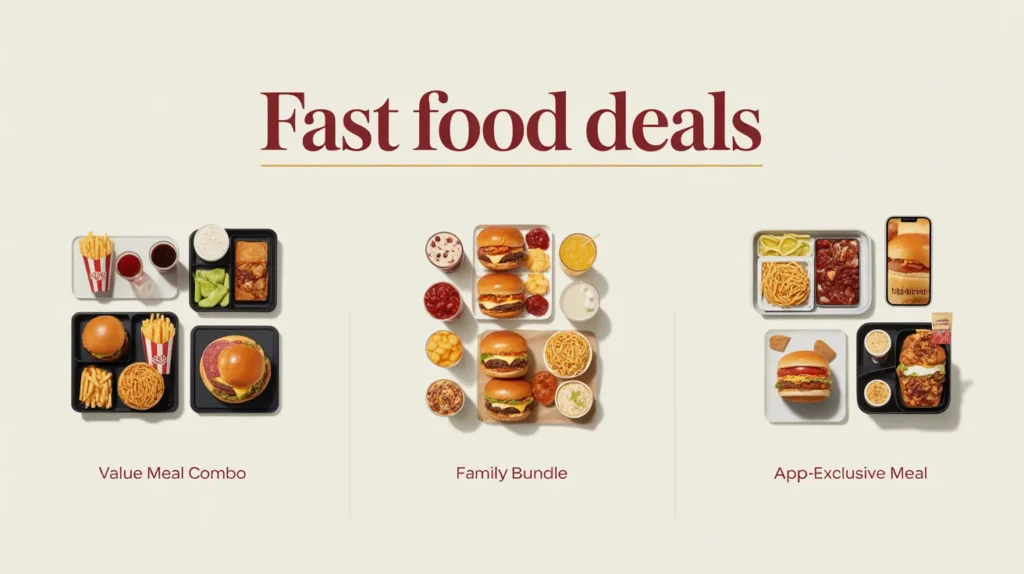
A fast food deal generally falls into one of five formats:
1. Combo Meals
Main item + side + drink at a bundled rate.
2. Value Menus
Lower-tier pricing options, often simplified builds or smaller portions.
3. Family Bundles
Multi-person packages designed for 3–6 people.
4. Limited-Time Offers
Short-term pricing or seasonal menu releases.
5. App-Exclusive Pricing
Digital-only offers tied to brand apps.
Each structure affects pricing differently.
A combo might look cheaper than ordering separately.
A bundle may lower cost per person.
An app deal may only be redeemable once per visit.
Understanding format matters before comparing totals.
Fast Food Value Meals vs Bundle Deals
Value meals and bundles serve different ordering goals.
Value meals focus on the individual.
Bundles focus on group efficiency.
Comparison Table
| Deal Type | Typical U.S. Price Range | Serves | Best For | Notes |
|---|---|---|---|---|
| Value Meal | $5–$9 | 1 | Budget solo meal | Smaller portions common |
| Standard Combo | $7–$13 | 1 | Balanced meal | Includes drink |
| Family Bundle | $18–$45 | 3–6 | Group feeding | Per-person cost drops |
| Chicken Bucket Meal | $20–$45 | 3–6 | Protein-heavy groups | Sides may cost extra |
Value meals typically prioritize entry pricing.
Bundles prioritize protein volume.
For deeper structural breakdowns, review Value Meals and Family Bundles.
Best Fast Food Deals Under $10
Deals under $10 still exist in many markets, though availability varies by location.
Common formats include:
- $5–$7 single-item combos
- Promo box meals in the $5–$10 range
- App-only discounted sandwiches
- Taco party packs priced under $10
For example:
- Burger chains often offer basic burger combos in the $7–$9 typical range.
- Taco-based chains frequently provide box deals around $6–$9.
- Chicken chains may offer limited sandwich combos under $10 depending on market.
Premium builds, specialty sauces, or larger sides usually move pricing above $10.
For ongoing structured comparisons, see $5–$10 Deals.
The key distinction: under-$10 pricing often means smaller portions or limited customization.
Fast Food Family Deals & Group Ordering
Family bundles are where cost-per-person math becomes important.
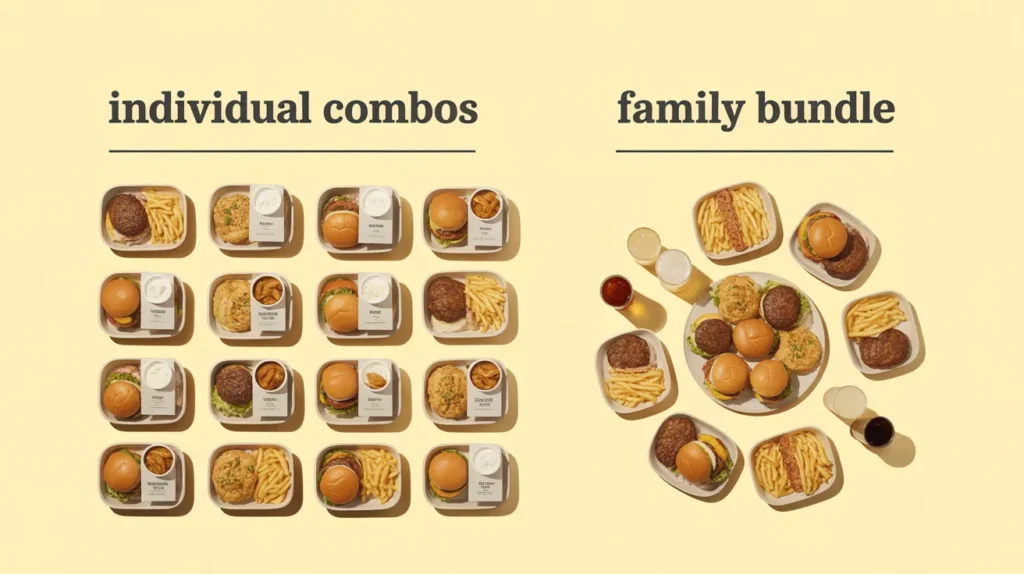
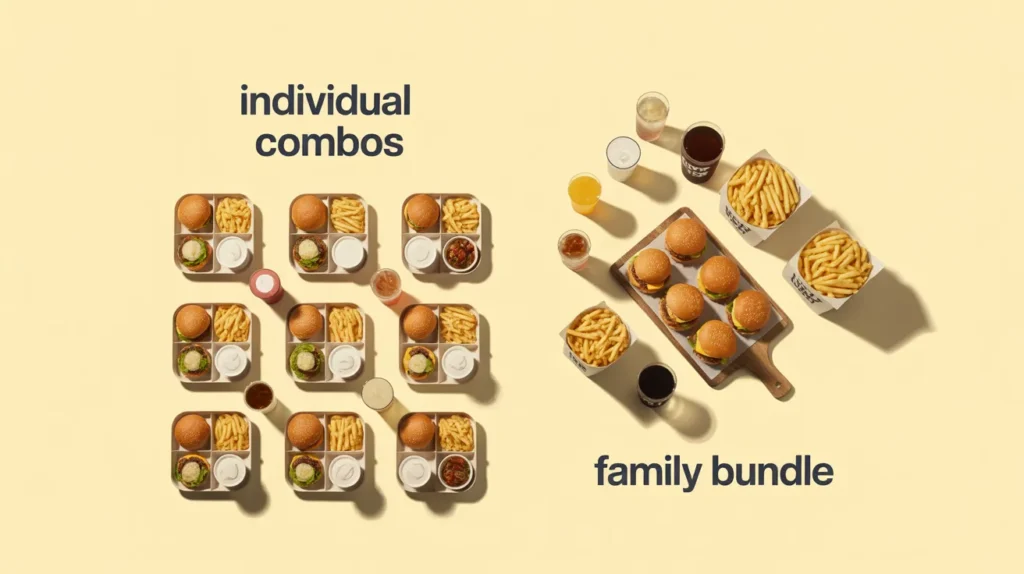
Ordering four individual $10 combos:
Total = $40
Per Person = $10
Ordering a $28–$32 family bundle serving four:
Per Person = roughly $7–$8
Bundles reduce duplication of:
- Fries
- Drinks
- Packaging
Protein bulk pricing improves efficiency.
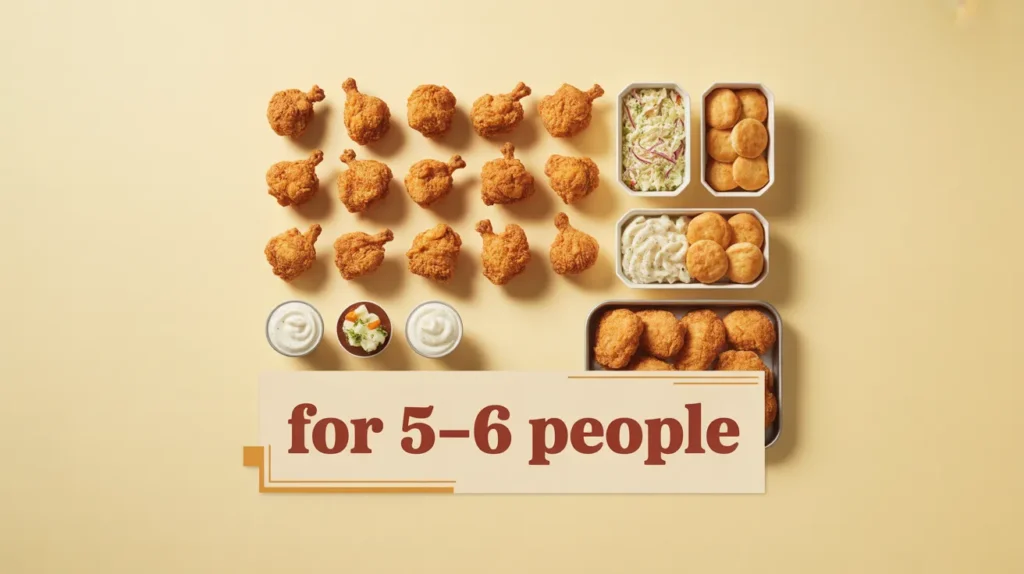
Chicken buckets in the $30–$45 typical U.S. price range often serve five to six people at lower per-head cost than separate combos.
However:
- Drinks may not be included
- Portion distribution is shared
- Customization is limited
To evaluate group efficiency more precisely, consult Cost Per Person Guides.
Limited Time Fast Food Deals
Seasonal promotions rotate frequently.
These may include:
- Limited edition sandwiches
- Promo box fast food bundles
- Specialty sauce releases
- Temporary combo pricing
Short-term meal deals can be competitive with standard combos, but not always cheaper.
App-based promotions often support these launches.
Availability varies by location. Franchise operators may choose whether to participate.
For structured evaluation of seasonal promotions, review Limited Time Offers.
Temporary pricing can look attractive, but always compare portion size and drink inclusion before assuming value.
How to Compare Fast Food Deals Smartly
Price alone doesn’t define value.
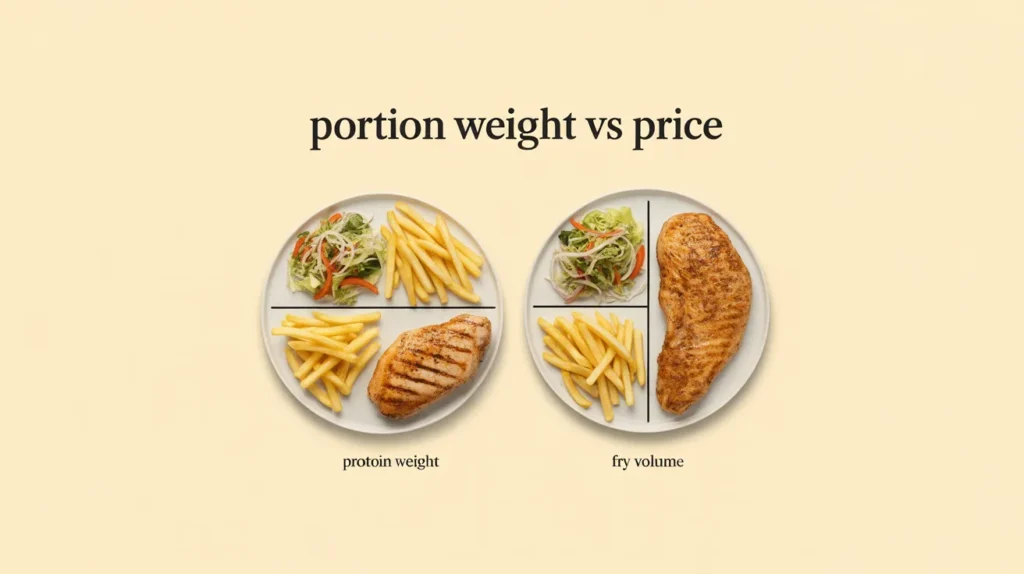
1. Portion Weight vs Price
Two $9 combos may contain different protein weights.
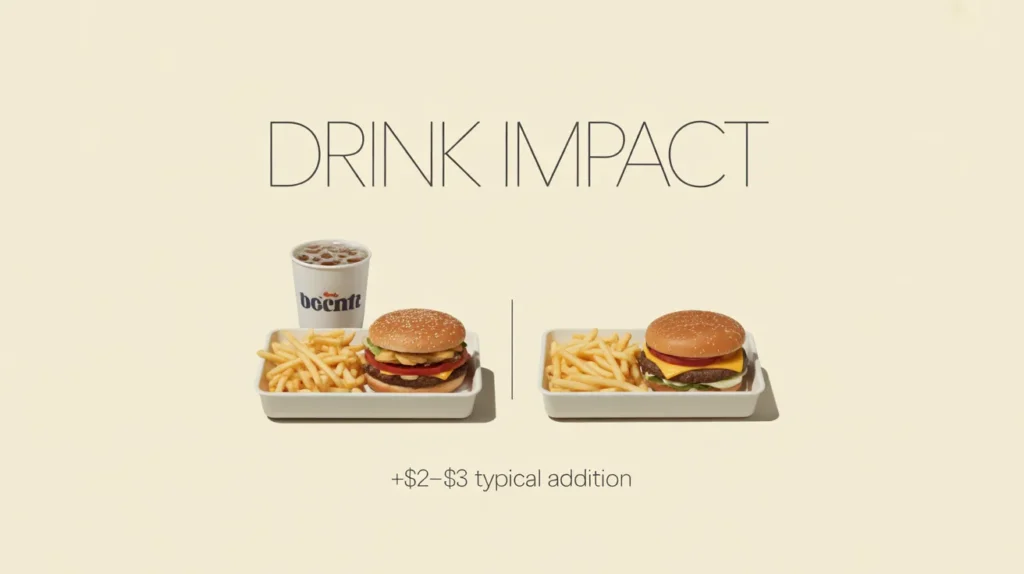
2. Drink Impact
A medium fountain drink typically adds $2–$3 to total pricing.
Skipping it changes effective per-person cost.
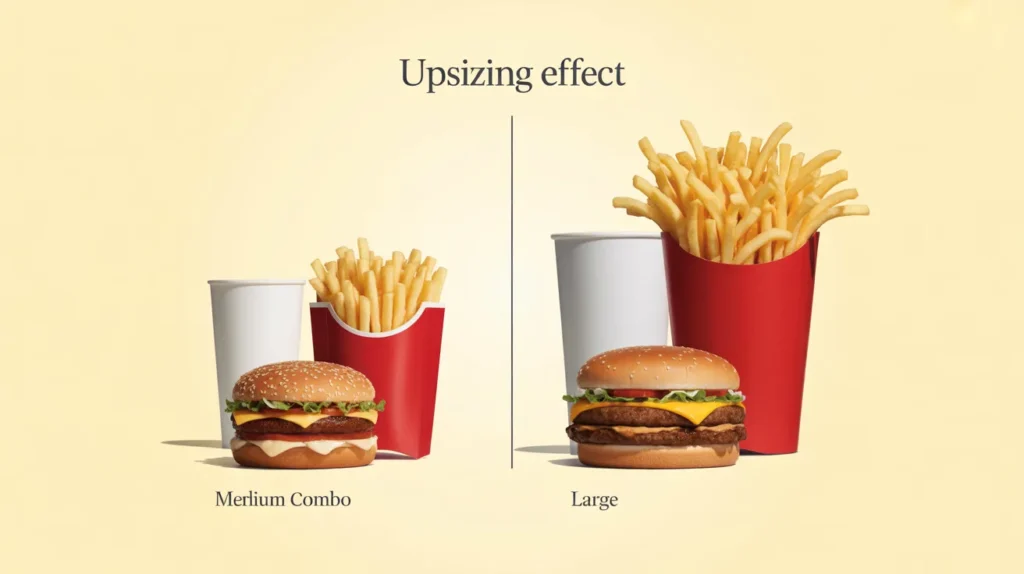
3. Upsizing Effect
Large combos often increase price by $1–$3.
Protein size usually remains the same.
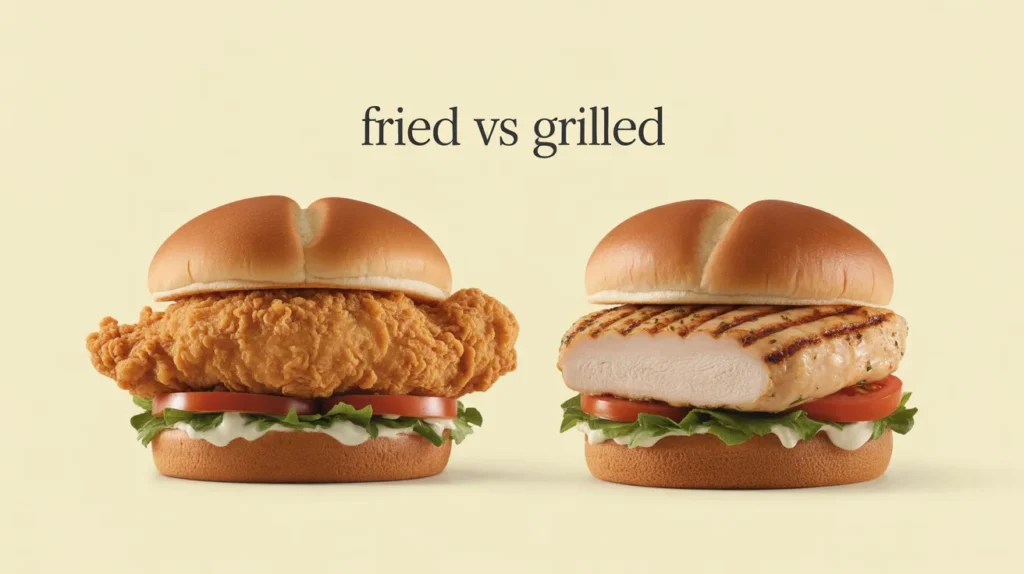
4. Fried vs Grilled Perception
A medium fountain drink typically adds $2–$3 to total pricing.
Skipping it changes effective per-person cost.
5. Combo vs Itemized Ordering
Fried items may appear larger but can contain similar protein weight as grilled alternatives.
For a structured pricing framework, review Combo Comparisons.
Smart evaluation means isolating:
- Protein cost
- Side size
- Drink value
- Group efficiency
Regional Pricing Differences
Fast food deals are not nationally uniform.
Prices may vary by location based on:
- Metro vs suburban operating costs
- State labor laws
- Real estate expenses
- Franchise ownership
Urban markets often show higher combo pricing than suburban or rural areas.
Delivery pricing introduces additional variation:
- Service fees
- Menu markups
- Tip
A $25 bundle in-store may exceed $35 after delivery fees in some regions.
App-only pricing may also vary by franchise participation.
Always verify totals before checkout.
Pricing Patterns Across Major Chains
While exact pricing shifts by region, general patterns are consistent across national chains.
| Chain Type | Typical Deal Strength | Notes |
|---|---|---|
| Burger-focused chains | Balanced combo tiers | Broad customization |
| Taco-focused chains | Strong sub-$10 deals | High rotation frequency |
| Chicken-focused chains | Better group bundles | Higher protein cost |
| Sandwich-focused chains | Mid-tier combo pricing | Fewer large bundles |
Chains such as McDonald’s, Taco Bell, KFC, Popeyes, Wendy’s, and Burger King each operate within these structural patterns.
Pricing tiers are consistent in format, even when numbers vary.
Inflation & Pricing Tier Shifts
Over time, base combo tiers have shifted upward.
Meals once positioned at $5–$7 may now appear in the $7–$10 typical range.
Protein-heavy items — especially chicken and beef — have seen stronger upward pressure than taco-based or simplified builds.
Value meals remain available, but portion size may be smaller than historical equivalents.
Understanding inflation impact helps prevent unrealistic comparisons to past pricing.
Decision Framework for Fast Food Deals
When evaluating fast food deals, ask:
- Is this priced per person or per group?
- Does it include a drink?
- Is this temporary pricing?
- What is the protein portion?
- Are delivery fees included?
Without these checks, price comparisons become misleading.
The most efficient deals often depend on:
- Party size
- Appetite level
- Location
- Ordering channel
FAQ
What are the best fast food deals right now?
That depends on location. App-exclusive offers and value meals in the $5–$9 typical range are often the lowest entry points.
Are fast food deals cheaper than ordering separately?
Usually slightly cheaper for combos. Bundles can lower cost per person for groups.
Which chain has the best value meals?
Taco-focused chains often lead in sub-$10 tiers, though pricing varies by location.
Do fast food deals vary by location?
Yes. Prices may vary by location due to franchise ownership and regional costs.
Are family bundles better than combos?
For groups, bundles often reduce cost per person. For solo meals, combos remain practical.
Are fast food deals under $10 still available?
Yes, though often limited to entry-tier combos or promotional pricing.
Do app deals offer better pricing?
Digital-only offers can provide competitive pricing, but availability and redemption rules vary.
What is included in most fast food deals?
Typically a main item, side, and drink. Bundles may include multiple mains and shared sides.
Conclusion
Fast food deals are structured differently depending on whether the goal is solo convenience, group efficiency, or seasonal traffic.
Comparing bundle vs combo logic, evaluating portion size, and understanding regional pricing variation lead to better decisions than reacting to headline prices alone.
Prices may vary by location, and temporary promotions change frequently. The most reliable approach is consistent comparison — looking at per-person math, drink inclusion, and protein volume before choosing.
A clear evaluation mindset makes fast food deals easier to assess and prevents overpaying in a pricing environment that shifts regularly.