Burger King Combo Deals
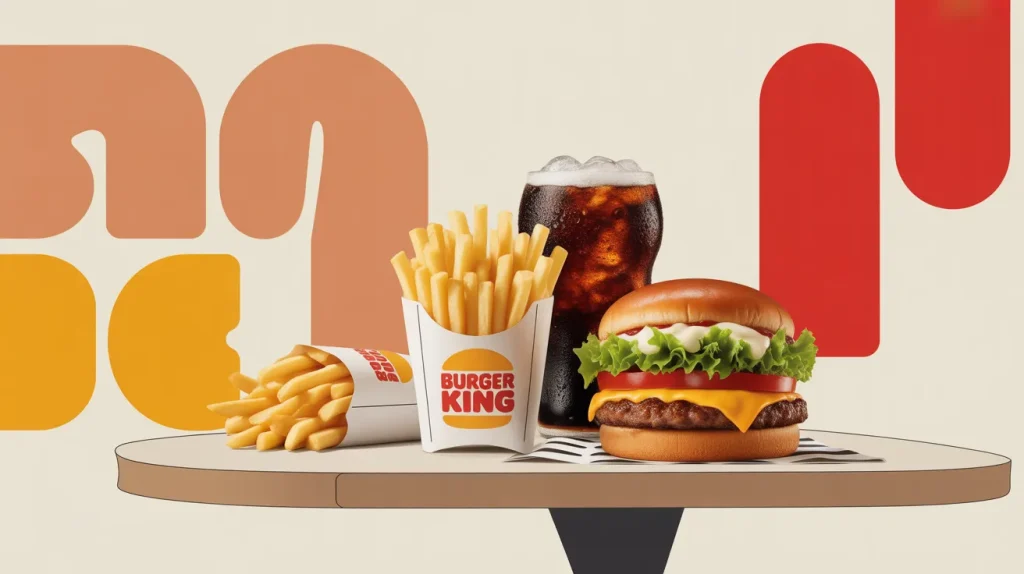
Burger King Combo Deals are structured around a simple bundle: entrée, fries, and a drink. Pricing varies by sandwich tier and size, and the jump from medium to large often changes cost more than protein.
Most customers compare combo meal pricing to value menu items or family bundles. The decision usually comes down to drink inclusion, portion size, and convenience.
This guide breaks down combo meal cost, size differences, and when a combo makes sense.
What Comes in a Burger King Combo Deal?
A standard Burger King combo includes:
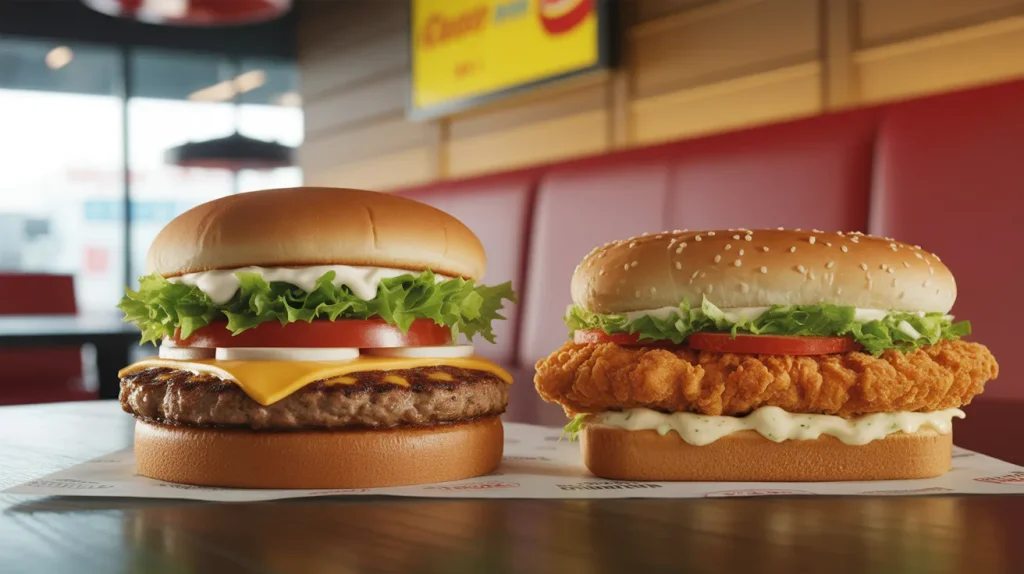
One main entrée (Whopper, chicken sandwich, or similar)
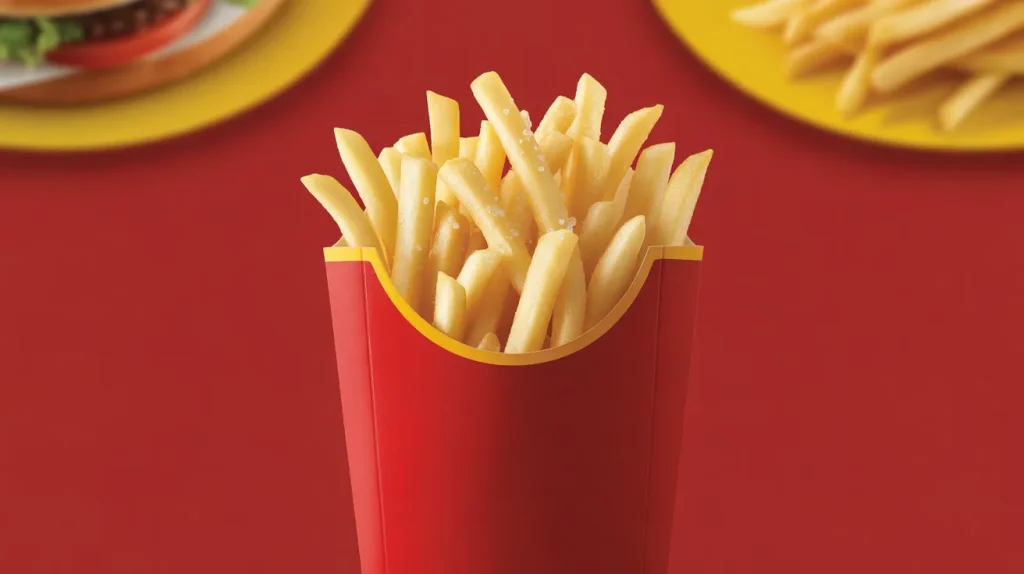
One side (typically medium fries)
One drink (medium fountain beverage by default)
Upsizing changes fry and drink size, but the sandwich itself usually stays the same.
Restaurants bundle combos for operational efficiency and pricing psychology. It simplifies ordering and creates predictable average ticket sizes.
Burger King Combo Prices (Typical US Ranges)
Combo prices depend on the sandwich tier. Premium items cost more than entry-level burgers.
| Combo Type | Typical Price Range (USD) | Includes | Best For | Notes |
|---|---|---|---|---|
| Whopper Combo | $9–$12 | Whopper + fries + drink | Standard appetite | Prices vary by location |
| Chicken Sandwich Combo | $9–$13 | Chicken sandwich + fries + drink | Sandwich-focused meal | Premium tiers higher |
| Value Burger Combo | $7–$10 | Smaller burger + fries + drink | Budget option | Limited sandwich selection |
| Specialty / Limited Combo | $10–$14 | Rotating premium item | Seasonal interest | Participation may differ |
These reflect typical U.S. price ranges. Urban markets often price toward the higher end.
Taxes excluded.
Medium vs Large Combo Price Difference
Many customers assume a large combo dramatically increases protein. It does not.
| Size | Price Increase | Fry Size | Drink Size | Protein Change | Notes |
|---|---|---|---|---|---|
| Medium (default) | Base price | Medium | Medium | None | Standard combo |
| Large | +$1–$3 typical | Large | Large | None | More calories, same sandwich |
Upsizing generally adds cost through fries and drink volume.
Protein size remains unchanged unless you upgrade the sandwich tier separately.
This is one of the most overlooked aspects of fast food combo cost.
Burger King Combo Deals vs Value Menu
Combos bundle items. The value menu sells items separately.
| Combo Meal | Value Menu Alternative | Price Difference | Portion Difference | Best For |
|---|---|---|---|---|
| Whopper Combo | Whopper + small fries + drink separately | Often $1–$2 difference | Similar sandwich size | Convenience |
| Value Burger Combo | Two value burgers + small side | Slight difference | More flexibility | Budget control |
| Chicken Combo | Sandwich + small fries | Depends on drink purchase | Drink optional | Light eaters |
Combos typically cost slightly less than buying each item individually — mostly because of bundled drink pricing.
However, skipping the drink and ordering value items can lower total spend.
For broader context, see Value Meals comparisons.
Combo Deals vs Family Bundles
Combos are structured for individuals. Family bundles are structured for groups.
Combos make sense when:
- Portion control matters
- Each person wants a different sandwich
- Everyone prefers their own drink
Family bundles are more efficient when:
- Feeding 3 or more people
- Sharing fries
- Skipping individual drinks
Family bundles often reduce cost per person, especially when drinks are excluded.
For deeper group pricing math, review Family Bundles comparisons.
Calories & Portion Considerations
Combos increase total calorie intake through fries and drinks.
- Medium fries typically add 300–400+ calories
- Medium soda adds roughly 150–300+ calories
- Large size increases both cost and calorie load
- Grilled options (where available) reduce total compared to fried
A large combo can exceed 1,200+ calories depending on entrée.
Portion size increases rarely change protein weight — they increase side and drink volume.
No health advice — just structural awareness.
Are Burger King Combo Deals Worth It?
Value depends on what you prioritize.
Combos provide:
- Ordering simplicity
- Predictable portion structure
- Slight bundled pricing advantage
They do not usually produce dramatic savings compared to individual ordering.
For customers focused on convenience, combos are practical.
For strict budget control, mixing value menu items can sometimes lower fast food combo cost.
Price Per Person Evaluation
For a single diner:
- Typical combo cost: $8–$12 range
- Large combo: $10–$14 range
For two people ordering combos:
- Total typically ranges $16–$24
At that point, comparing against group bundles becomes relevant.
Comparing Burger King to Other Chains
Across major chains, combo meal pricing typically falls in similar ranges:
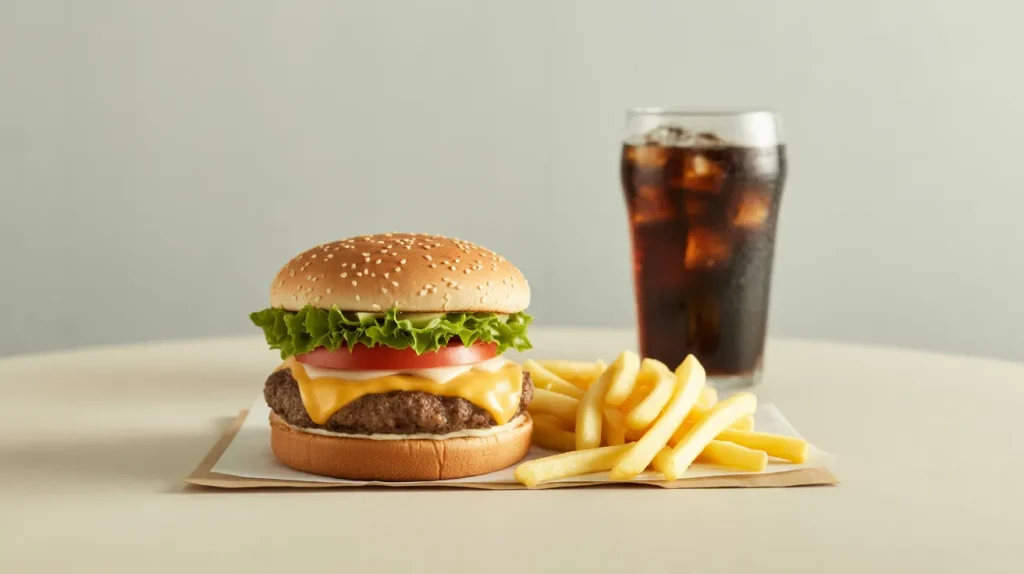
Entry-level combos
$7–$9
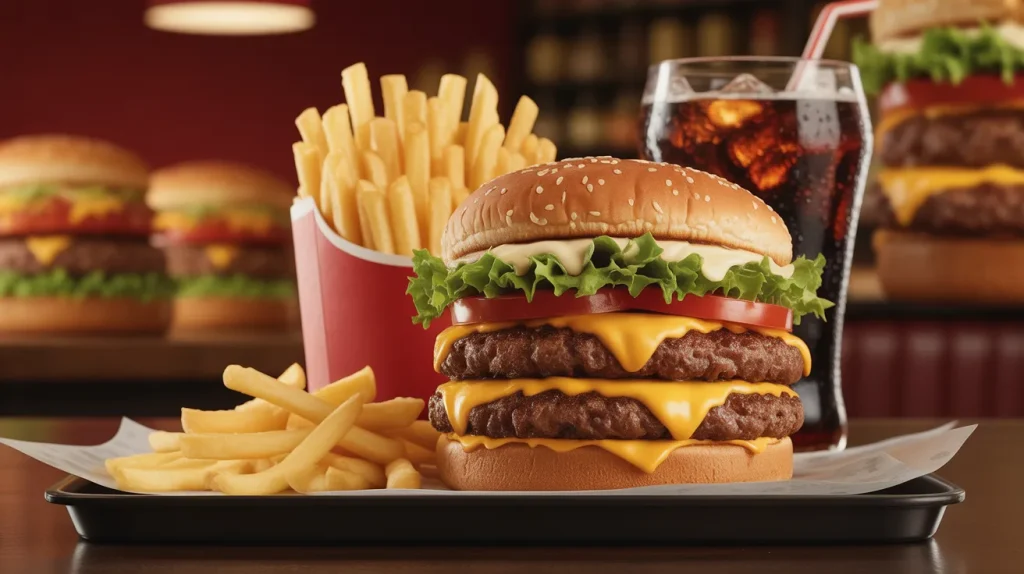
Mid-tier combos
$9–$12
Premium combos
$11–$14
Burger King sits within this standard range.
Variations depend more on geography than brand.
When a Combo Is Not the Best Choice
A combo may not be optimal if:
- You don’t want a drink
- You prefer smaller fries
- You’re sharing food
- A limited-time sandwich deal offers better value
In those cases, value menu ordering or mix-and-match deals may cost less.
FAQs
What is included in a Burger King combo deal?
An entrée, medium fries, and a medium drink by default.
How much is a Burger King combo meal?
Most fall within a $8–$12 typical U.S. range depending on sandwich and location.
Is a large combo much more expensive?
Usually $1–$3 more than medium. The sandwich size typically does not change.
Are combo deals cheaper than ordering separately?
Often slightly cheaper, mainly due to bundled drink pricing.
Do combo prices vary by location?
Yes. Franchise ownership and local costs affect pricing.
Can you customize your combo?
Yes, though premium swaps may increase price.
Are drinks included in all combos?
Standard combos include a drink unless modified.
Are combo deals available all day?
Generally yes, though breakfast and lunch menus differ.
Conclusion
Burger King Combo Deals provide predictable structure: entrée, fries, and drink bundled at a modest price advantage. Large sizing increases cost without increasing protein.
Combo meal pricing varies by market, so comparing medium vs large and value menu alternatives before ordering is practical. Convenience is the primary benefit — dramatic savings are not typical.
For value-focused ordering, reviewing combo size differences and total fast food combo cost before checkout leads to smarter decisions.